
Corrosion-resistant lined pipe for geothermal gathering lines, brine handling, steam and condensate piping, and reinjection systems. Proclad combines a carbon-steel host with a corrosion-resistant alloy (CRA) liner selected for your fluid chemistry and operating conditions.
Discuss your fluid conditions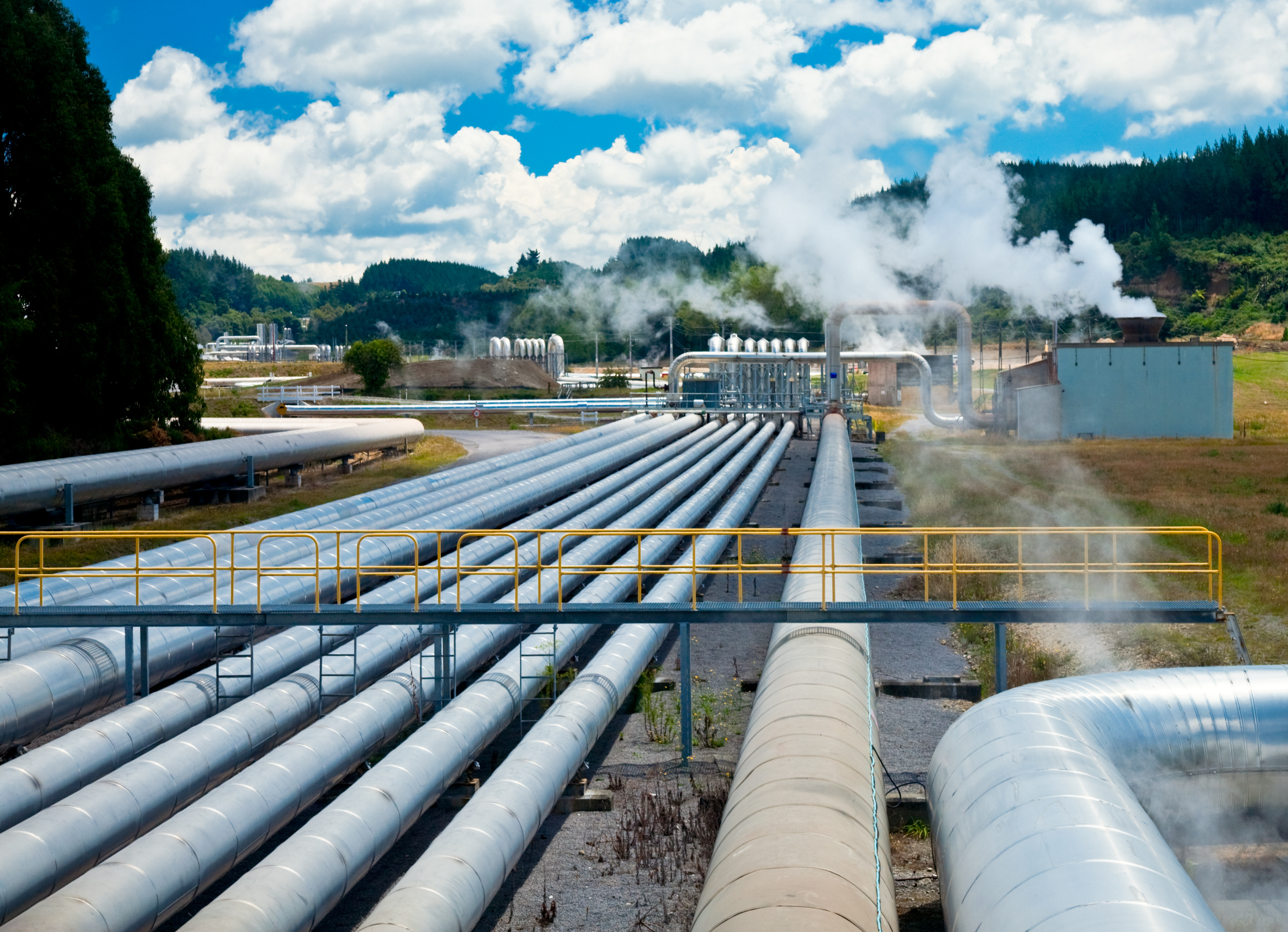
Geothermal pipework can face high temperatures, chlorides, dissolved CO₂ and H₂S, low pH, oxygen ingress, solids and repeated thermal cycling.
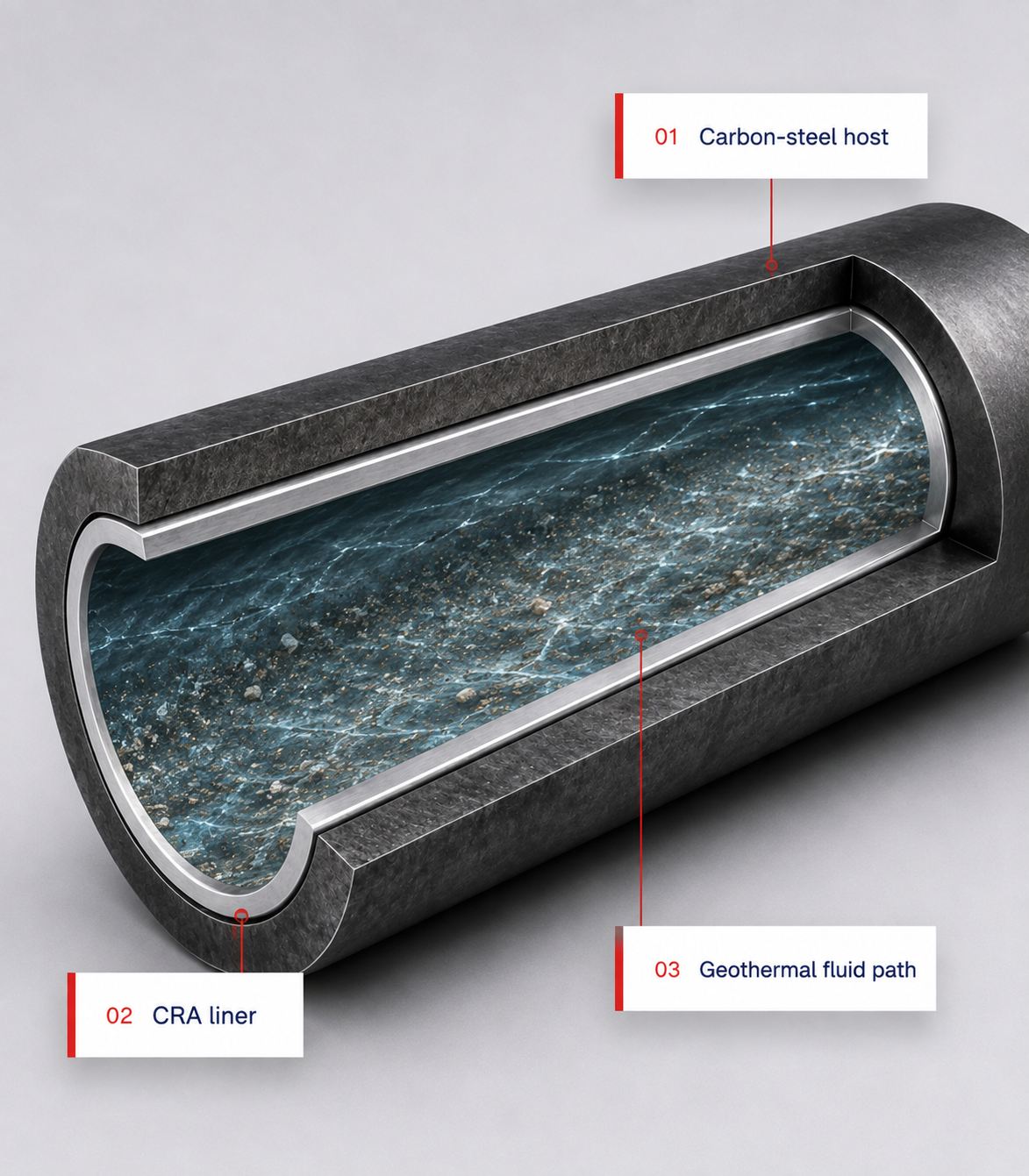
Proclad MLP places the selected corrosion-resistant alloy at the wetted surface, while a carbon-steel host provides structural strength.
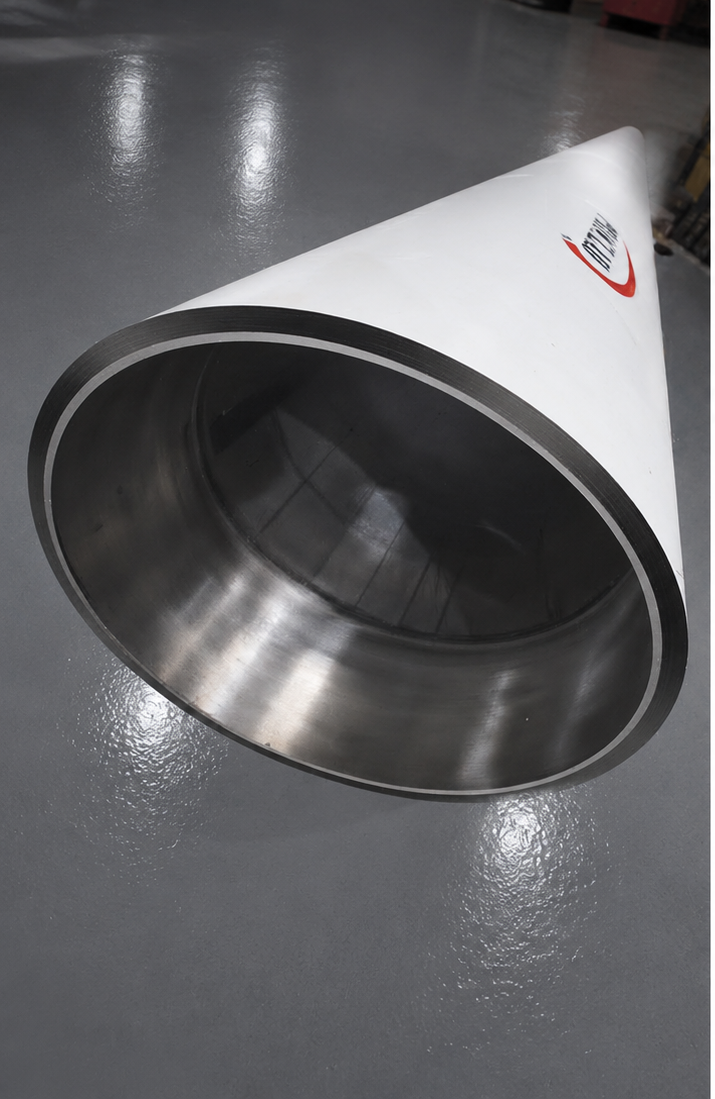
Selected to meet the project design basis, fabrication route and mechanical loads.
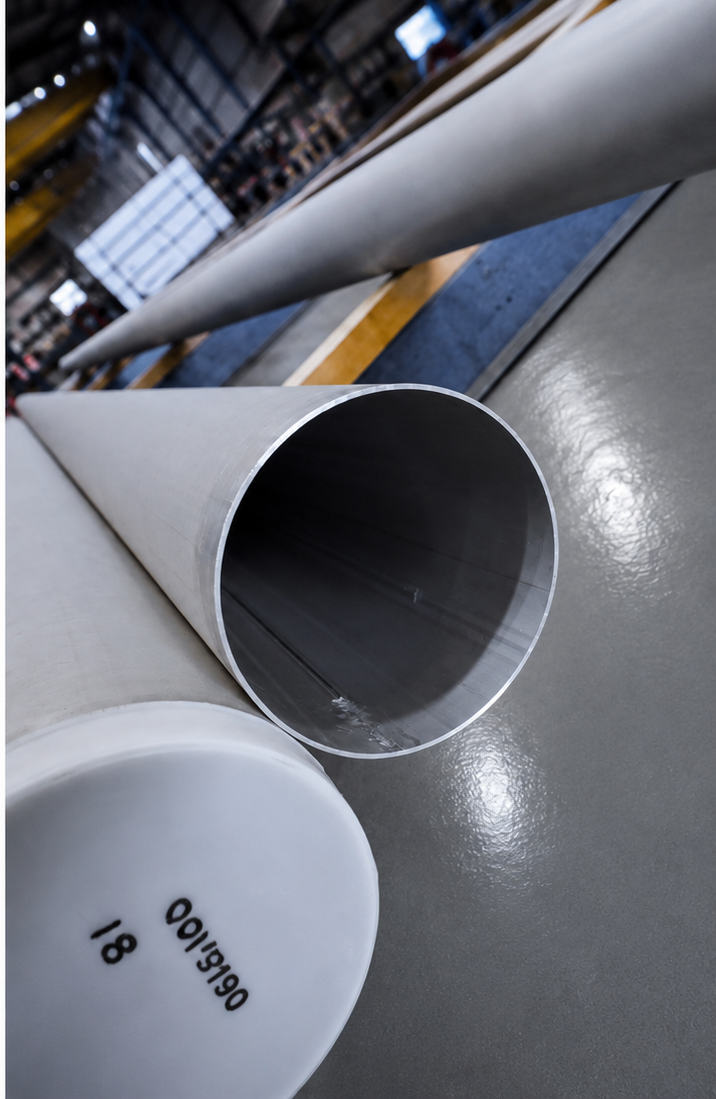
Matched to the actual fluid chemistry, temperature and corrosion mechanisms.
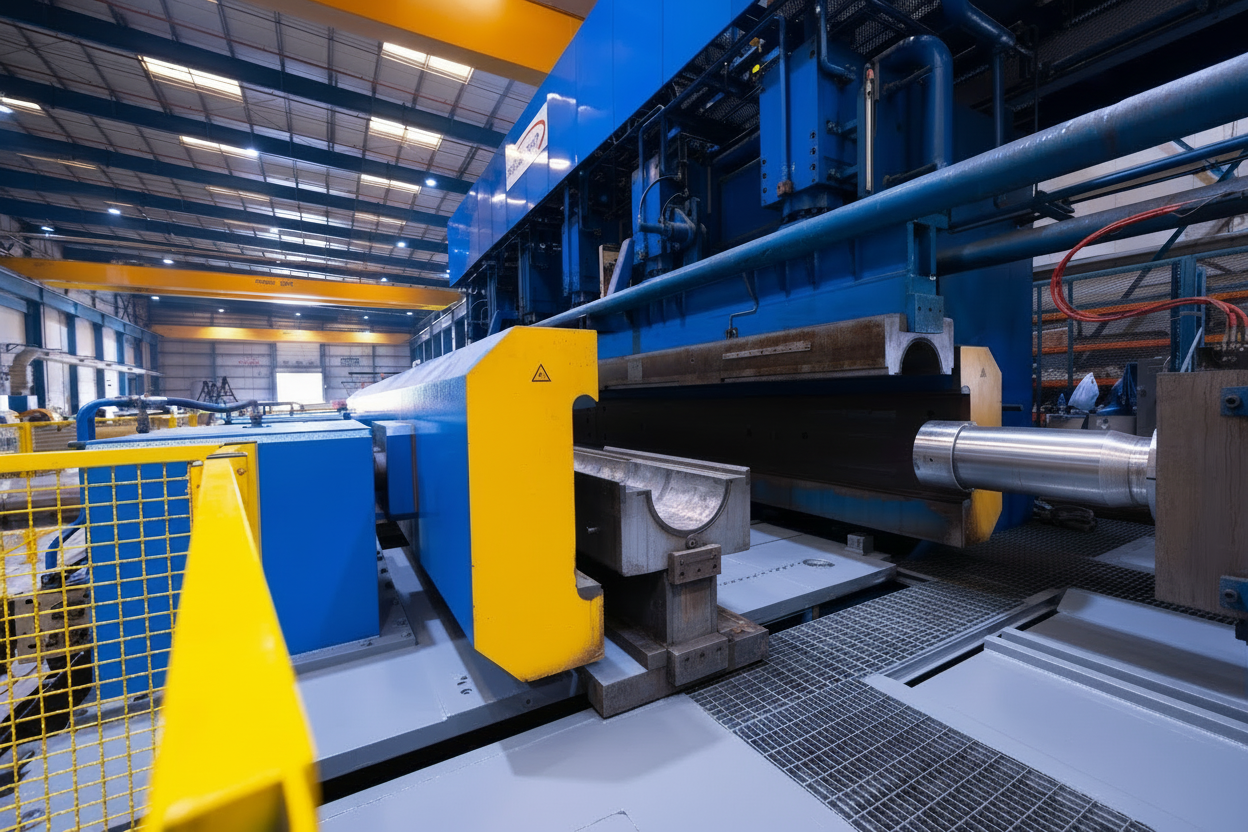
Controlled hydraulic expansion presses the CRA liner against the carbon-steel host. The liner provides the wetted surface while the host carries structural loads.

.jpeg)
Materials must be selected for the complete operating envelope: start-up, steady state, shut-down, cleaning, oxygen ingress and upset conditions.
High-enthalpy fluid, steam and thermal cycling
Chlorides, CO₂, H₂S, acidity and dissolved oxygen
Two-phase behaviour, velocity, erosion and solids
Corrosion allowance, inspection and intervention strategy
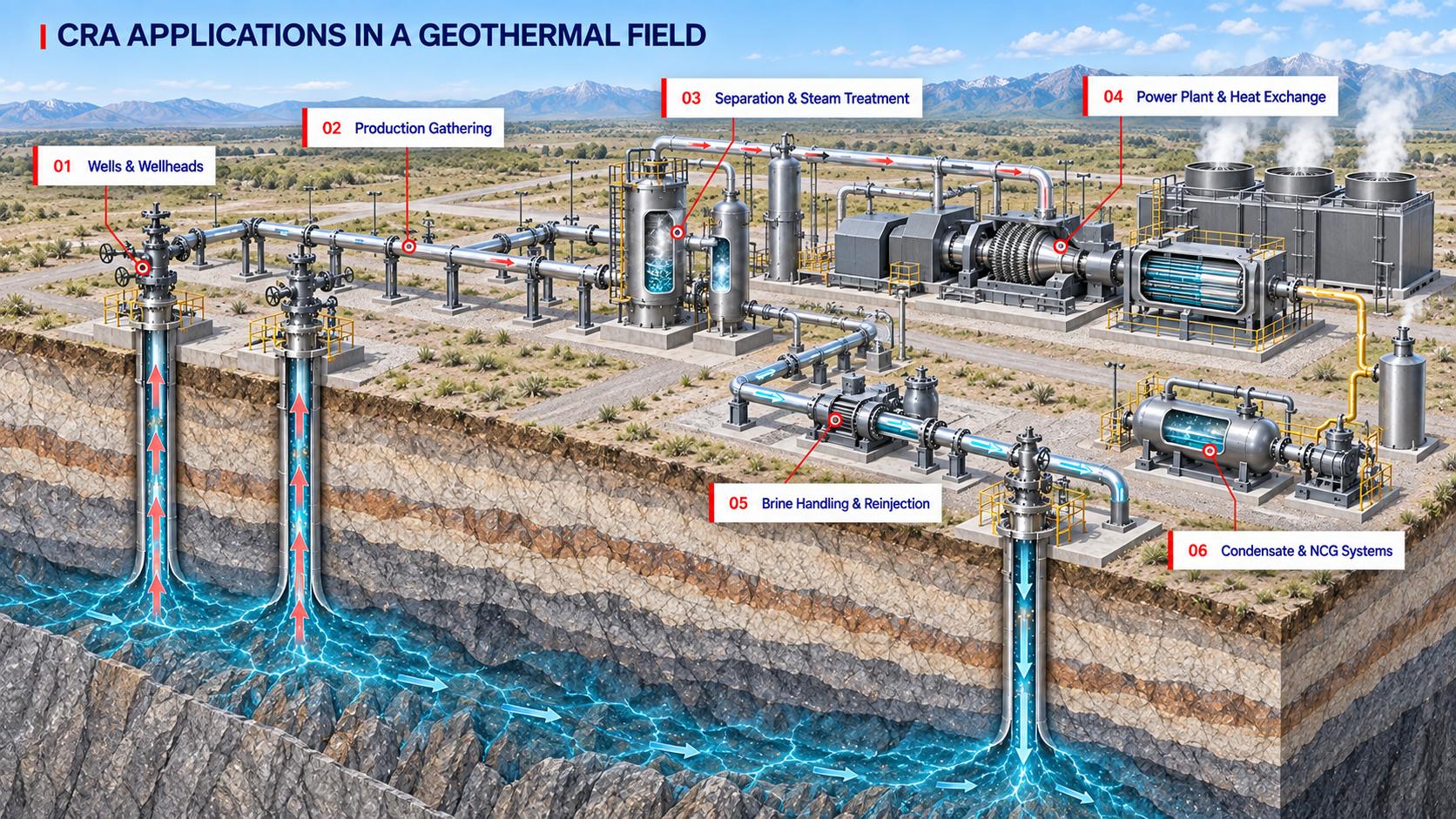
Surface piping applications, subject to service-specific materials selection and qualification.
Corrosion-resistant transport from the well pad to separation and processing facilities.
A CRA wetted surface for high-temperature fluids containing chlorides, CO₂, H₂S and other corrosive species.
Engineered protection for selected above-ground plant and balance-of-plant pipework.
CRA-lined pipe for reinjection headers and brine return lines, with materials selected for fluid chemistry, temperature and oxygen exposure.
To help Proclad recommend the right solution, please share your fluid analysis along with normal operating and upset temperatures, pressure conditions, pipe sizes, and joining requirements.
Our technical team will work with your project team to review the materials basis and confirm the product evidence, inspection scope, and service-specific testing needed for the application.
This ensures the selected solution is supported by qualification and documentation appropriate to its intended service.
This guidance applies to surface pipework only. Downhole tubing and casing are subject to different operating conditions and require a separate qualification review.

.svg)
.svg)